In the face of increasing challenges related to climate change, as well as pressure from investors and consumers for sustainability, companies engaged in energy trading are increasingly implementing strategies related to ESG (Environmental, Social, and Governance) and decarbonization. In particular, Power Purchase Agreements (PPAs) and Corporate Power Purchase Agreements (cPPAs) are gaining popularity as key tools for achieving climate goals and reducing carbon footprints.
What are PPAs and cPPAs?
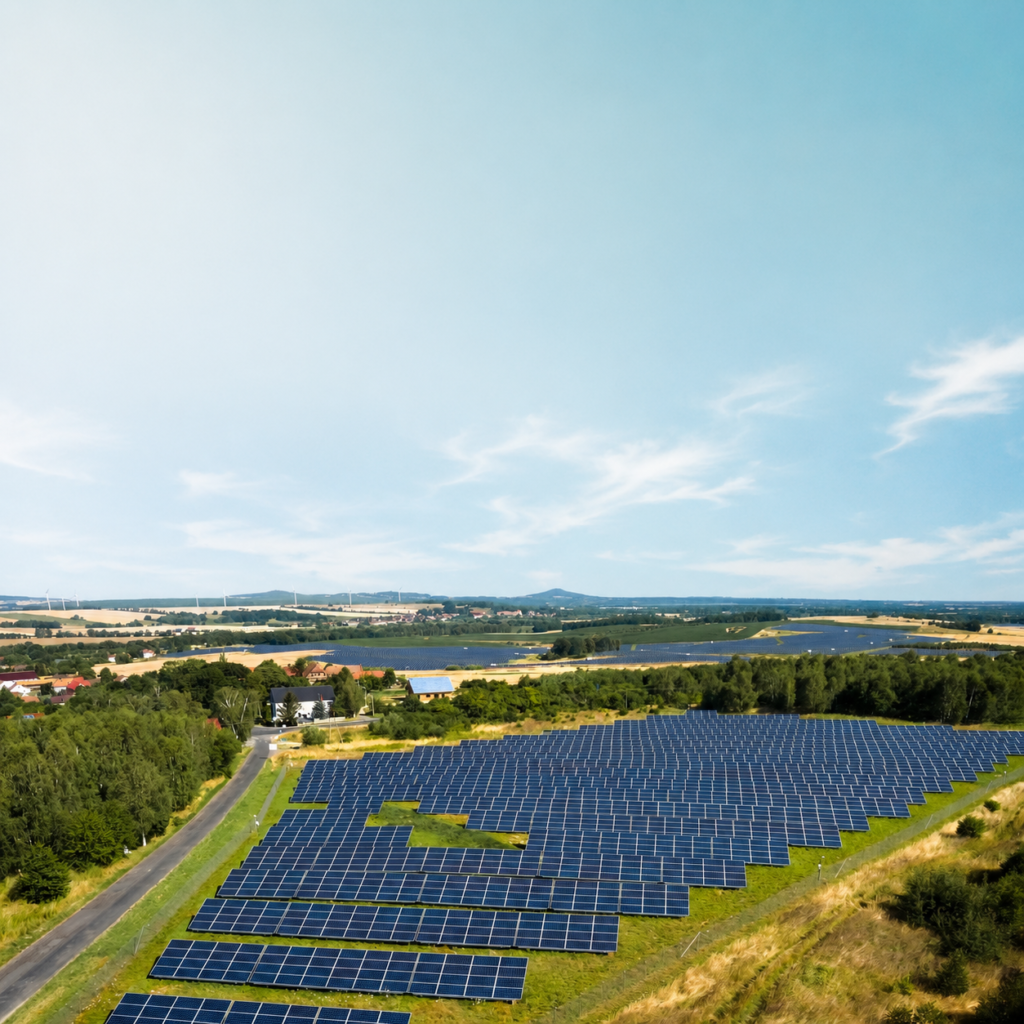
PPAs are long-term contracts in which a buyer (a licensed company) commits to purchasing electricity generated by a supplier (e.g., a wind or solar farm) at a predetermined price. Conversely, a cPPA is a tripartite agreement that is a specific form of PPA, linking the generator, the consumer, and the energy trading company. In this arrangement, the consumer purchases energy directly from the renewable energy generator, allowing them to directly support renewable projects and reduce CO2 emissions.
Benefits of PPAs/cPPAs
- Sustainability: These agreements enable companies to increase the share of renewable energy in their energy mix, which is crucial for the implementation of ESG strategies.
- Cost Stability: Long-term contracts provide predictability in energy prices, beneficial in the context of energy market volatility.
- Reduction of CO2 Emissions: For example, a single PPA for 100 MW of solar energy can contribute to a reduction of approximately 100,000 tons of CO2 emissions annually, according to data from the International Energy Agency (IEA).
Numerical Examples
- Growth of the PPA Market: In 2023, the global PPA market reached a value of approximately $25 billion, with projections indicating it will grow to $60 billion by 2030, demonstrating increasing interest in this model.
- Investments in Renewable Energy: In 2024, the number of new renewable energy projects supported by PPAs in Europe increased by 30% compared to 2023, translating to an additional 15 GW of installed capacity.
- Example of a Specific Company: Company X, engaged in electronics manufacturing, signed a cPPA for 200 MWh of wind energy, which allowed it to reduce CO2 emissions by 150,000 tons annually, equivalent to the annual emissions of approximately 30,000 cars.
Expected Changes in the Renewable Energy Market by 2030
PPAs and cPPAs have the potential to significantly impact the development of the renewable energy market by 2030. Here are key anticipated changes:
- Increase in Installed Renewable Energy Capacity: It is projected that by 2030, global installed capacity of renewable sources will increase by approximately 50%, reaching around 5,000 GW. PPAs will be crucial in financing new projects, contributing to the faster development of renewable energy.
- Increased Share of Renewables in the Energy Mix: The share of renewable energy in the global energy mix could reach 50% by 2030, driven by increased interest in PPAs from companies seeking to meet their energy needs in a more sustainable manner.
- Growing Number of Companies Signing cPPAs: It is estimated that by 2030, the number of companies utilizing PPAs will increase by 40%, encompassing not only large corporations but also small and medium-sized enterprises striving for sustainability.
- Reduction in Energy Costs: Thanks to cPPAs, which often rely on long-term pricing, a further decline in renewable energy costs by 20-30% is anticipated by 2030. This trend will result from increased market competition and technological advancements.
- Increased Flexibility of Energy Markets: PPAs can contribute to greater flexibility in energy markets, enabling companies to better manage their energy needs and adapt to changing market conditions.
- Investments in New Technologies: As the number of PPAs increases, investments in new technologies such as energy storage, smart grids, and digital technologies are expected to rise, contributing to more efficient energy management.
- Growing Importance of Local Renewable Projects: PPAs will foster the development of local renewable projects, enhancing energy independence for regions and communities. Companies will be more inclined to invest in local energy sources, thereby supporting local economies.
Conclusion
PPAs and cPPAs are crucial for the future of the renewable energy market by 2030. The increase in installed renewable capacity, reduction in energy costs, and enhanced flexibility of energy markets are just some of the anticipated changes. Companies that choose to engage in PPAs will not only achieve their climate objectives but will also gain a competitive edge in the market, contributing to a global transformation towards climate neutrality.