Law and Sustainable Development in the Context of Renewable Energy.
In the face of global challenges related to climate change and environmental degradation, public procurement in Poland and Europe has become a key tool for promoting sustainable development. The introduction of environmental requirements in public procurement legislation aims to enhance energy efficiency and promote renewable energy sources (RES). Companies involved in energy trading must adapt to these regulations, which presents both challenges and opportunities.
Legal Framework of Public Procurement
In accordance with European Union directives and national laws, public procurement should incorporate sustainability criteria. Key legal acts influencing this area include:
The Public Procurement Law of September 11, 2019: Introduces the obligation to apply environmental criteria in the public procurement process, including the promotion of renewable energy.
Directive 2014/24/EU: Obligates member states to consider sustainability aspects in public procurement, including the promotion of environmentally friendly products and services.
Environmental Requirements and Their Significance
In the context of public procurement, it is essential for public institutions to apply criteria that promote:
- Green Energy: Preferences for suppliers offering energy from RES, which impacts the reduction of CO2 emissions and environmental protection.
- Eco-Innovations: Requirements for the use of modern technologies that enhance energy efficiency and reduce environmental impact.
- Sustainable Practices: Incorporating into procurement specifications aspects such as recycling, waste minimization, and resource efficiency.
Sustainable Development as a Component of Corporate Strategy
For companies operating in the RES sector, compliance with public procurement law becomes not only an obligation but also a strategic necessity. Key actions include:
- Preparing Offers Compliant with Legal Requirements: Companies should be able to provide documentation confirming adherence to environmental standards, which can enhance their competitiveness in tenders.
- Investing in Sustainable Technologies: Implementing innovative solutions that can meet or exceed legal requirements, contributing to greater efficiency and cost reduction.
- Building Partnerships: Collaborating with other entities such as local governments or environmental organizations to jointly implement sustainable development projects that can be financed through public procurement.
Examples of Purchasing Electricity Exclusively from Renewable Energy Sources
- Education for Public Institutions: Organizing training on the benefits of using renewable energy in public procurement, which can increase their interest and acceptance of RES solutions.
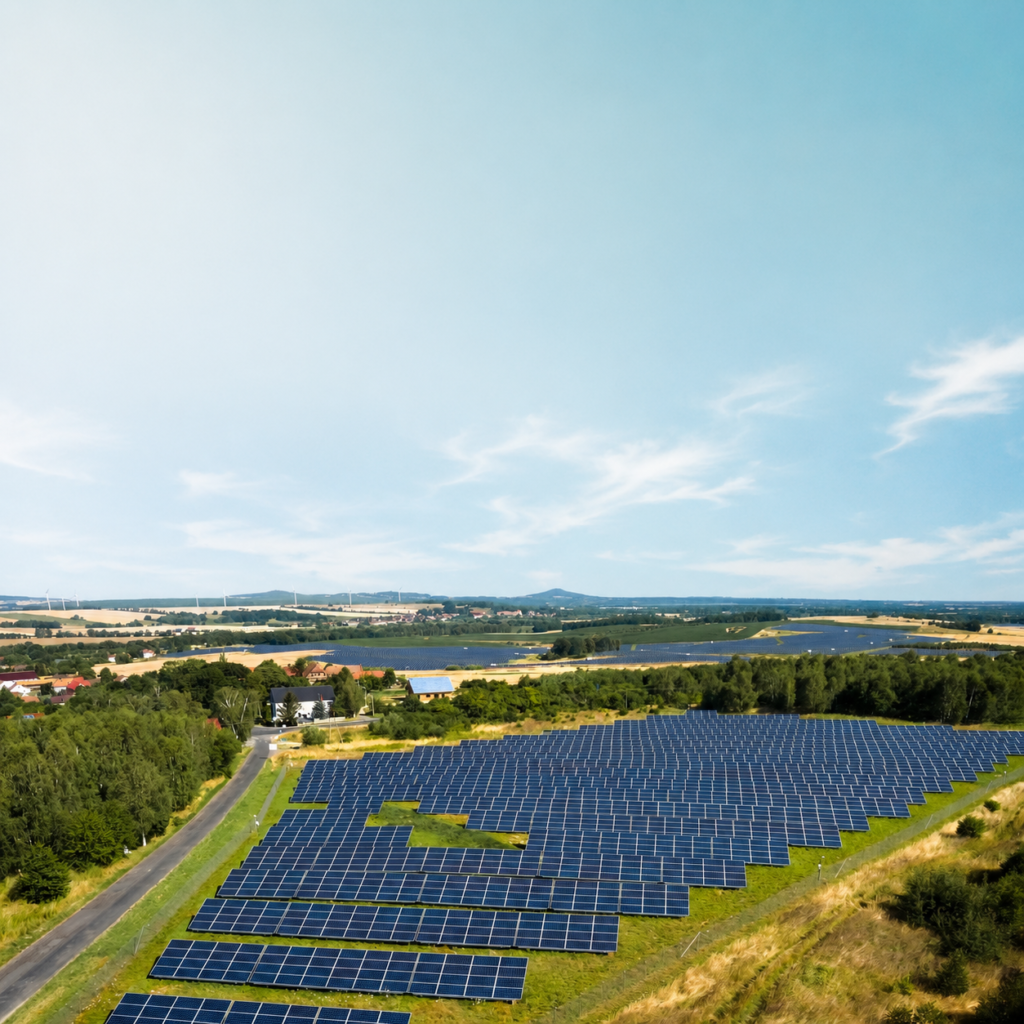
- Implementation of RES Projects: Construction of solar installations, wind farms, or biomass-related projects that can be financed from public funds.