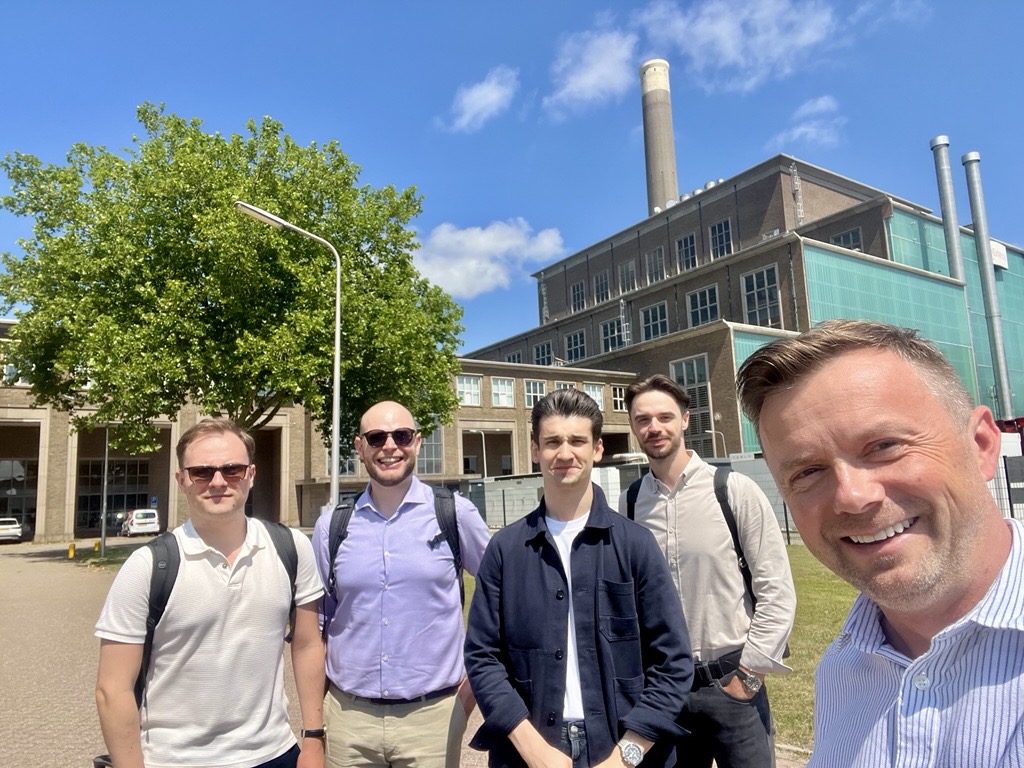
Some time ago, the Hekla Energy team visited Eneco’s Lage Weide energy complex in Utrecht, an important part of the local electricity and district heating system.
The visit provided an opportunity to explore solutions that combine electricity and heat generation, the use of multiple energy sources, and the efficient utilisation of existing infrastructure. The complex is a practical example of an integrated approach to energy asset management and to meeting the needs of growing urban areas.
Cogeneration as a means of improving fuel efficiency
One of the core elements of the complex is a cogeneration unit that produces electricity and heat within a single technological process.
Cogeneration increases the overall efficiency of fuel use compared with the separate production of electricity and heat. This is particularly important in urban systems, where useful heat can be effectively distributed through an extensive district heating network.
One of the units operating at Lage Weide has a capacity of approximately 248 MW of electricity and 180 MW of heat. The heat generated supplies the local district heating system, supporting security of supply and ensuring stable heat delivery to residential and commercial customers.
The role of biomass in the local heating mix
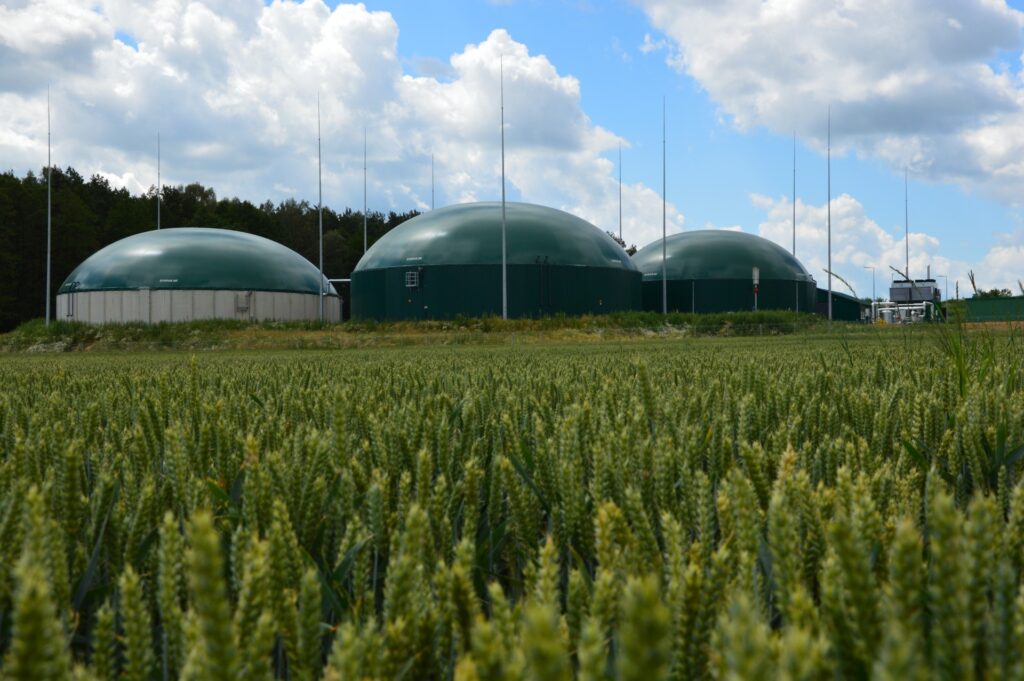
The complex also includes a biomass installation that uses residual wood materials, including waste generated through the maintenance of parks and green spaces.
The installation supplies heat to more than 50,000 households and businesses. Its operation helps reduce carbon dioxide emissions by approximately 80,000 tonnes per year.
The inclusion of biomass in the local generation mix is an example of heat source diversification and the use of locally available fuel streams. It also demonstrates how existing district heating infrastructure can be gradually adapted to evolving environmental and regulatory requirements.
Flexibility and source integration
Lage Weide is an example of a facility in which different generation technologies operate within a single integrated system.
This approach makes it possible to respond flexibly to changes in electricity and heat demand, supports system balancing, and enables the efficient use of existing infrastructure assets.
In the context of the energy transition, the development of new generation capacity is not the only priority. Optimising the operation of existing units, integrating different energy carriers, and increasing the operational flexibility of the system are equally important.
A practical perspective on the energy transition
The visit to Lage Weide allowed us to view the energy transition from an operational and infrastructure perspective.
The complex demonstrates that the effective decarbonisation of the energy sector requires a combination of different technologies, the gradual modernisation of existing assets, and the development of systems capable of working alongside variable renewable energy sources.
For the Hekla Energy team, the visit was a valuable opportunity to exchange knowledge and experience with Eneco and to gain a better understanding of the solutions applied in a mature electricity and heat market. The insights gained provide a valuable point of reference for future analyses, projects, and initiatives supporting the energy transition.